
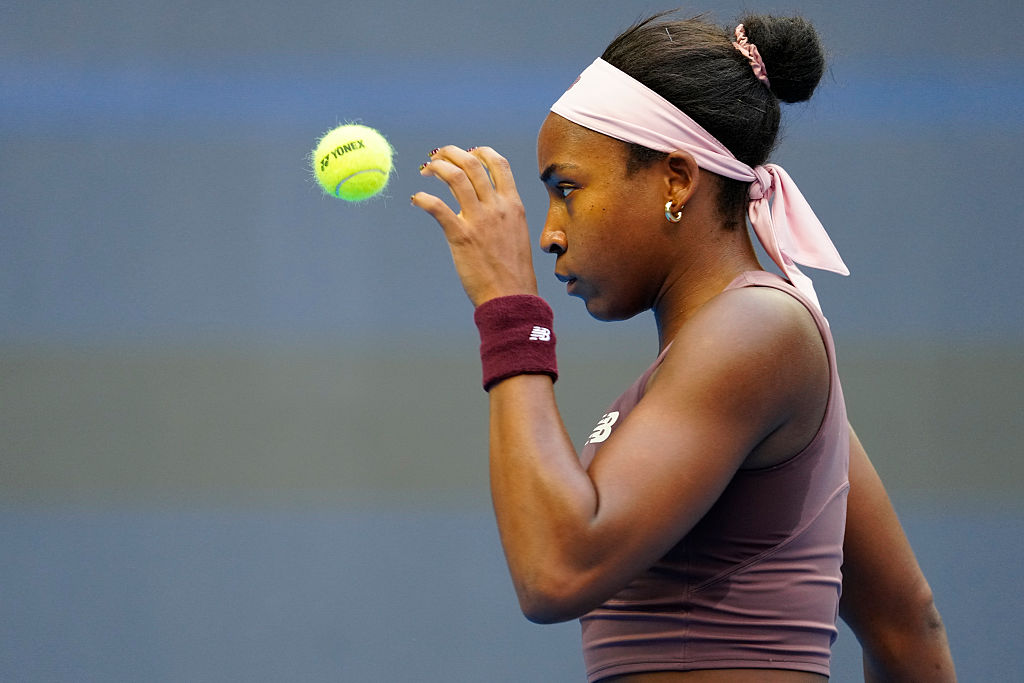
It started with a bad call.
During Gauff’s China Open match against Chinese player Sun Xinran on October 7, a disputed point went against Gauff. The crowd was loud. The tension was real. And then the internet turned into what the internet does.
The flood of racist comments that followed was, by Gauff’s own description, “insane.” Not the normal-background-radiation level of racist garbage that Black female athletes absorb as a condition of being in public. Insane. The kind of volume that registered.
Two days later, Gauff lost her next match to Belgium’s Elise Mertens. She told reporters afterward that she had “no energy” and felt like she might faint during the match. She didn’t say it was because of the abuse. She didn’t have to.
On October 10th, the United Nations Human Rights Office, led by High Commissioner Volker Turk, posted a formal condemnation. The statement called the messages “appalling.” It noted, specifically, that Black female athletes are singled out for hostile and racist abuse at a rate their peers are not. It called on players, coaches, sports bodies, and fans to push back.
To be clear about what just happened: a tennis player got racially abused to the point that the literal United Nations had to post about it. And the conversation is still mostly about whether the line call was right.
Gauff is 22 years old, ranked fourth in the world, and a two-time major winner. She has now spent her entire adult professional life being one of the best athletes on the planet while also being a vessel for every racist grievance the internet wants to aim at a young Black woman who is winning.
The call was disputed. The racism was not.